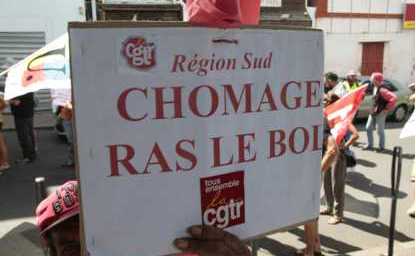
APE : alerte générale sur les emplois à La Réunion, résultat de l’aliénation
9 juin, parRisque d’anéantissement des emplois liés à la production de richesses à La Réunion


An oil spill turns into an environmental disaster in the Niger Delta
"Shell must pay US$1 billion in first step to clean up Niger Delta "
16 November 2011

Since 2008, condemned to clean his gigantic oil spills in the Niger Delta, Shell procrastinate in complete violation of basic human rights. An Amnesty International report Here are some excerpts:
Shell must commit to pay an initial US$1 billion to begin the clean-up of pollution caused by oil spills in the Niger Delta, Amnesty International and the Centre for Environment, Human Rights and Development (CEHRD) said today.
A new report by the two groups released today, The true tragedy: delays and failures in tackling oil spills in the Niger Delta looks at the ongoing devastation caused by two major oil spills which took place at Bodo, Ogoniland, in 2008, and which have never been cleaned up.
The UN Environment Programme recently found that oil pollution over many years had resulted in such devastation that it would take more than 25 years for Ogoniland to recover. The UN recommended setting up an Environmental Restoration Fund with an initial amount of US$1 billion, with further funding to follow.
“Shell’s failure to promptly stop and clean up oil spills in Bodo has devastated the lives of tens of thousands of people. Bodo is a disaster that should not have happened, yet it is one that due to Shell’s inaction continues to this day. It is time this multi-billion dollar company owns up, cleans up and pays up,” said Aster van Kregten Amnesty International’s researcher for Nigeria.
In 2008, two consecutive spills, caused by faults in a pipeline, resulted in thousands of barrels of oil polluting the land and creek surrounding Bodo, a town of some 69,000 people. Both spills continued for weeks before they were stopped. No proper clean up has ever taken place.
“The situation in Bodo is symptomatic of the wider situation in the Niger Delta oil industry. The authorities simply do not control the oil companies. Shell and other oil companies have the freedom to act – or fail to act - without fear of sanction. An independent, robust and well-resourced regulator is long overdue, otherwise even more people will continue to suffer at the hands of the oil companies,” said Patrick Naagbanton, CEHRD’s Coordiantor.
Shell, which recently reported profits of US$ 7.2bn for July-September, initially offered the Bodo community just 50 bags of rice, beans, sugar and tomatoes as relief for the disaster.
Ongoing damage to fisheries and farmland has resulted in food shortages and higher prices in Bodo. Residents told Amnesty International and CEHRD how they struggle to make a living and have serious health concerns. Alternative jobs are not easy to find. Many young people have been forced to look for work in Port Harcourt, the state capital, 50km away.
One fisherman from Bodo, said: ‘Before the spill, life was easy. The people could live from the catch of fish… After the spill, everything was destroyed.’
When Amnesty International asked Shell to comment on the failures at Bodo, the company stated that, as the Bodo spill spills were subject to legal proceedings in the UK, it was unable to respond as directly. Shell said that efforts to address the issues at Bodo are hampered by ongoing sabotage in the area, something strongly challenged by Amnesty International and CEHRD.
“Shell frequently says that most oil spills are caused by sabotage,” said Aster van Kregten, “This claim has been strongly disputed by the communities and NGOs who point out that the process of collecting data on oil spills is flawed. Even at Bodo, where it is accepted the spills are Shell’s fault, the company appears to be using sabotage as an excuse for its failures to comply with Nigerian law and regulations – which require the company to promptly clean up and pay compensation. This is a completely untenable position.”
“The facts here are simple,” adds Patrick Naagbanton. “Two spills, both of them the company’s fault, both left to flow for weeks before being stopped, neither cleaned up although three years have passed. There can be no excuses. By any standard, this is a corporate failure.”
Nigeria’s government agencies are also strongly criticized in the report for their failure to enforce regulations. The Federal Ministry of Petroleum Resources - which is responsible for ensuring the oil industry complies with regulation - is also charged with promoting the oil industry and ensuring maximum revenues.
The Nigerian government agency responsible for oils spills - the National Oil Spill Detection and Response Agency (NOSDRA) - is under-resourced and ineffective. The agency has no independent capacity to identify oil spills and is dependent on being notified by the oil company responsible or by the affected community.
The recent UN Environment Programme report noted that in responding to oil spills, “government agencies are at the mercy of oil companies when it comes to conducting site inspections.”
NOSDRA repeatedly failed to enforce standards in the case of the Bodo spills.
Two spills |
6,800 spills were recorded between 1976 and 2001 |
Risque d’anéantissement des emplois liés à la production de richesses à La Réunion

Mézami mi rapèl lo tan nou téi koné fé gran-gran lopérassion : kissoi bann miltiplikassion plizyèr shif, kissoi bann divizion, kissoi mèm lo (…)

L’ouverture aux services de l’Accord de partenariat économique (APE) entre l’Union européenne, les Comores, Madagascar, Maurice et les Seychelles (…)

In kozman pou la rout

Communiqué officiel du 40e Conseil des ministres de la COI
Qui a dit que le peuple réunionnais était condamné à subir les schémas descendants de la mondialisation marchande et à n’être que le spectateur (…)
Au lieu de reproduire la France, les Réunionnais devraient s’inspirer de Madagascar
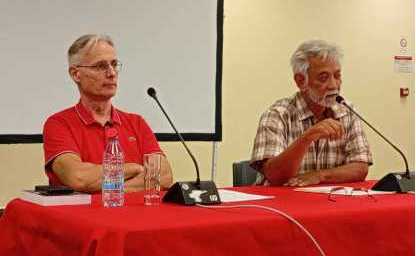
Retour sur le séminaire organisé par la Section PCR de Saint-Denis
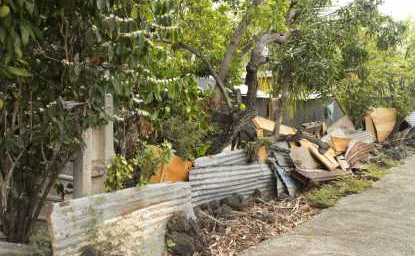
Conséquence de la crise et de la pénurie de logements sociaux

Condoléances du Parti Communiste Réunionnais
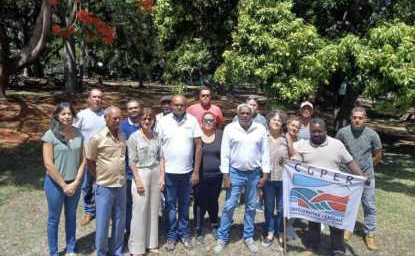
Face aux difficultés de trésorerie à cause des retards de paiement

À la veille de la manifestation organisée par des élus devant la préfecture


