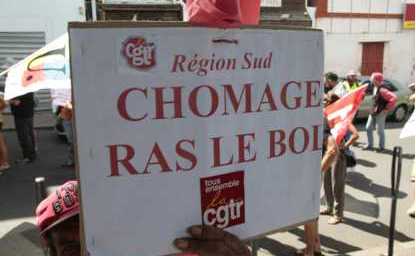
APE : alerte générale sur les emplois à La Réunion, résultat de l’aliénation
9 juin, parRisque d’anéantissement des emplois liés à la production de richesses à La Réunion

World Health Organization and H5N1 Influenza
31 December 2011

The World Health Organization (WHO) takes note that studies undertaken by several institutions on whether changes in the H5N1 influenza virus can make it more transmissible between humans have raised concern about the possible risks and misuses associated with this research. WHO is also deeply concerned about the potential negative consequences. However, WHO also notes that studies conducted under appropriate conditions must continue to take place so that critical scientific knowledge needed to reduce the risks posed by the H5N1 virus continues to increase.
«H5N1 influenza viruses are a significant health risk to people for several reasons. Although this type of influenza does not infect humans often, when it does, approximately 60% of those infected die. In addition, because these viruses can cause such severe illness in people, scientists are especially concerned that this type of influenza could one day mutate so it spreads easily between people and causes a very serious influenza pandemic.
Research which can improve the understanding of these viruses and can reduce the public health risk is a scientific and public health imperative. In order to enable those public health gains, countries where these viruses occur should share their influenza viruses for public health purposes while countries and organizations receiving these viruses should share benefits resulting from the virus sharing. Both types of sharing are on equal footing and equally important parts of the collective global actions needed to protect public health.
While it is clear that conducting research to gain such knowledge must continue, it is also clear that certain research, and especially that which can generate more dangerous forms of the virus than those which already exist, has risks. Therefore such research should be done only after all important public health risks and benefits have been identified and reviewed, and it is certain that the necessary protections to minimize the potential for negative consequences are in place.
In May 2011, the new Pandemic Influenza Preparedness (PIP) Framework came into effect. This Framework was adopted by all WHO Member States as a guide to the sharing of influenza viruses with pandemic potential and the resulting benefits. One specific requirement of this Framework, which pertains to influenza viruses of pandemic potential, and is in keeping with best scientific practice, is for laboratories receiving them through WHO’s Global Influenza Surveillance and Response System (GISRS) to collaborate with, and appropriately acknowledge, scientists in countries where the virus originated when initiating research.
WHO recognizes that the scientists who led the work of the new studies received their virus samples from the WHO Global Influenza Surveillance Network (GISN), which preceded GISRS, and before negotiations on the new PIP Framework began. However, now that the Framework has been adopted by all WHO Member States, WHO considers it critically important that scientists who undertake research with influenza viruses with pandemic potential samples fully abide by the new requirements.
Since the PIP Framework represents a major step forward and was agreed upon only after several years of difficult negotiations, WHO stresses that this H5N1 research must not undermine this major public health achievement. WHO will work with Member States and other key parties to ensure scientists understand the new requirements that have been agreed to with the Framework.»
Risque d’anéantissement des emplois liés à la production de richesses à La Réunion

Mézami mi rapèl lo tan nou téi koné fé gran-gran lopérassion : kissoi bann miltiplikassion plizyèr shif, kissoi bann divizion, kissoi mèm lo (…)

L’ouverture aux services de l’Accord de partenariat économique (APE) entre l’Union européenne, les Comores, Madagascar, Maurice et les Seychelles (…)

In kozman pou la rout
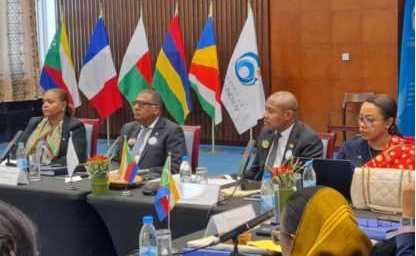
Communiqué officiel du 40e Conseil des ministres de la COI
Qui a dit que le peuple réunionnais était condamné à subir les schémas descendants de la mondialisation marchande et à n’être que le spectateur (…)
Au lieu de reproduire la France, les Réunionnais devraient s’inspirer de Madagascar
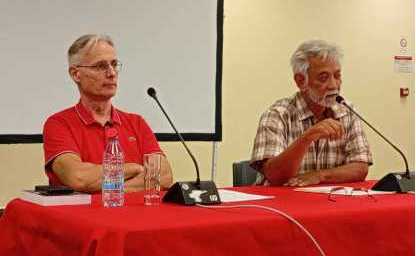
Retour sur le séminaire organisé par la Section PCR de Saint-Denis
Conséquence de la crise et de la pénurie de logements sociaux
Condoléances du Parti Communiste Réunionnais
Face aux difficultés de trésorerie à cause des retards de paiement

À la veille de la manifestation organisée par des élus devant la préfecture


